
Revistas científico-culturais é um serviço digital que congrega as Revistas produzidas no Grupo Lusófona, disponibilizando de forma pública e universal a sua produção científica.
Revistas
-
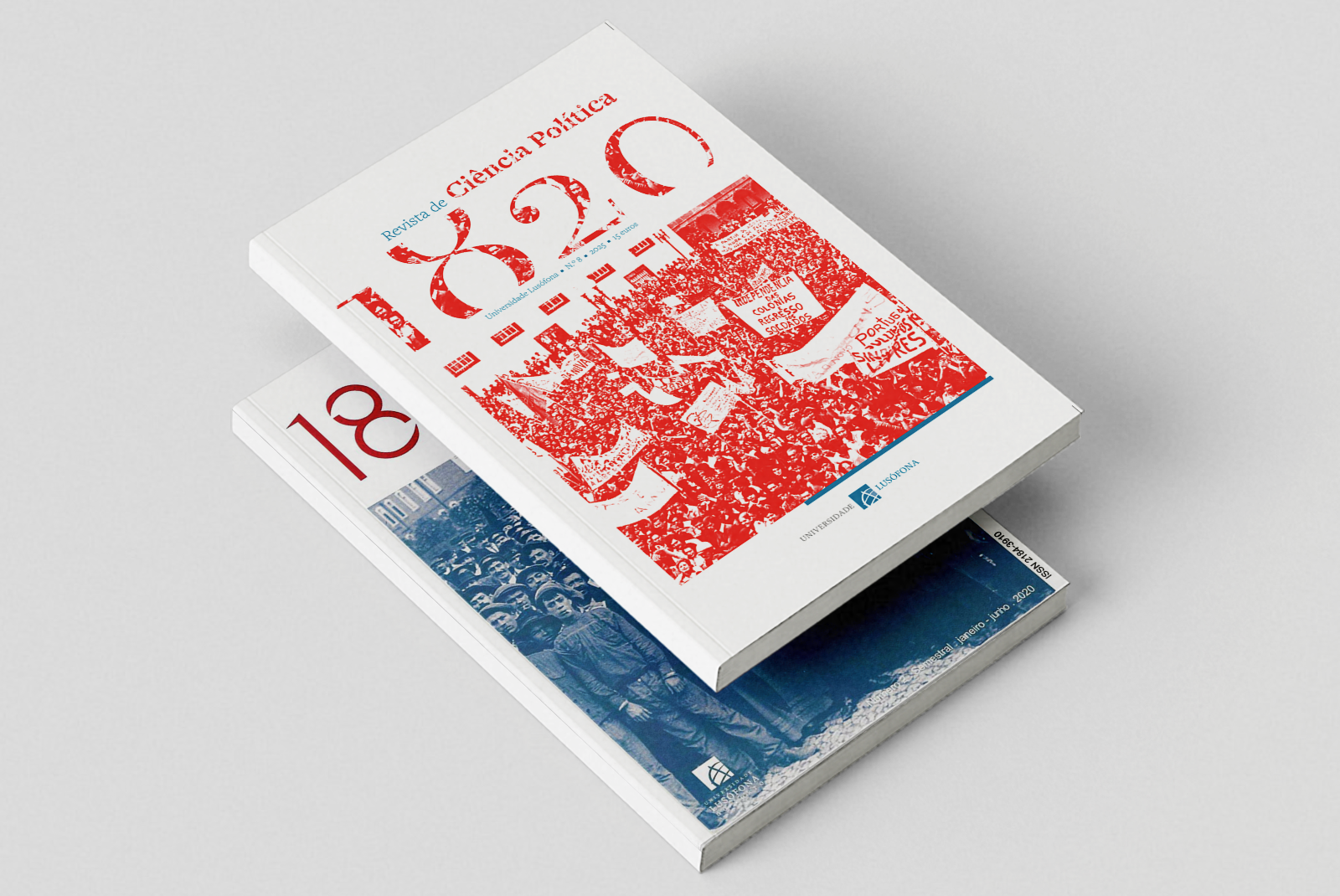
1820-Revista de Ciência Política
Revista de Ciência Política é uma publicação periódica semestral da Faculdade de Direito e Ciência Política da Universidade Lusófona - Centro Universitário do Porto, editada, simultaneamente, em formato de papel e em suporte digital.
-
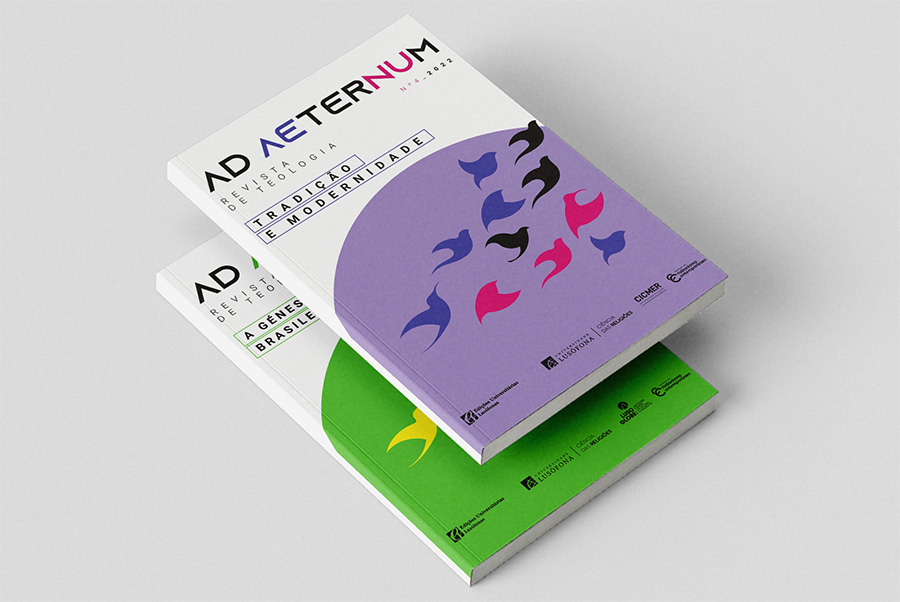
Ad Aeternum
Publicação científica internacional de acesso aberto, semestral, publicada pelo Instituto de Cristianismo Contemporâneo, que integra a área de Ciência das Religiões (FCSEA) da Universidade Lusófona e do Grupo Lusófona, e pretende promover e divulgar o conhecimento teológico através da investigação e da reflexão.
-
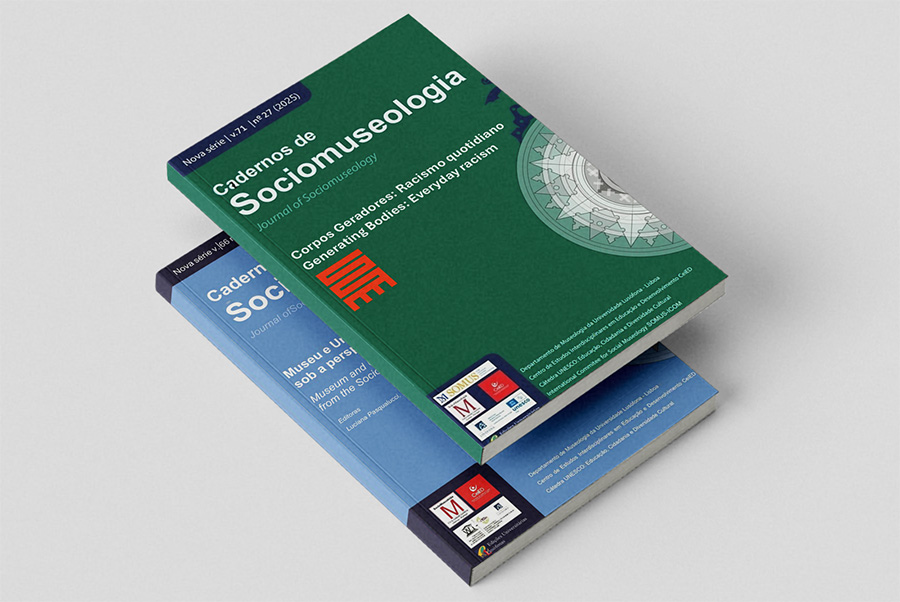
Cadernos de Sociomuseologia
Editado pelo Dep. de Museologia da Universidade Lusófona, desde 1993, com o objetivo de publicar artigos científicos para apoio e fomento de formação superior e investigação em Museologia. Os Cadernos foram reorganizados em 2013 para seguir as diretrizes e melhores práticas de publicações científicas internacionais, dando início um novo sistema de numeração.
-
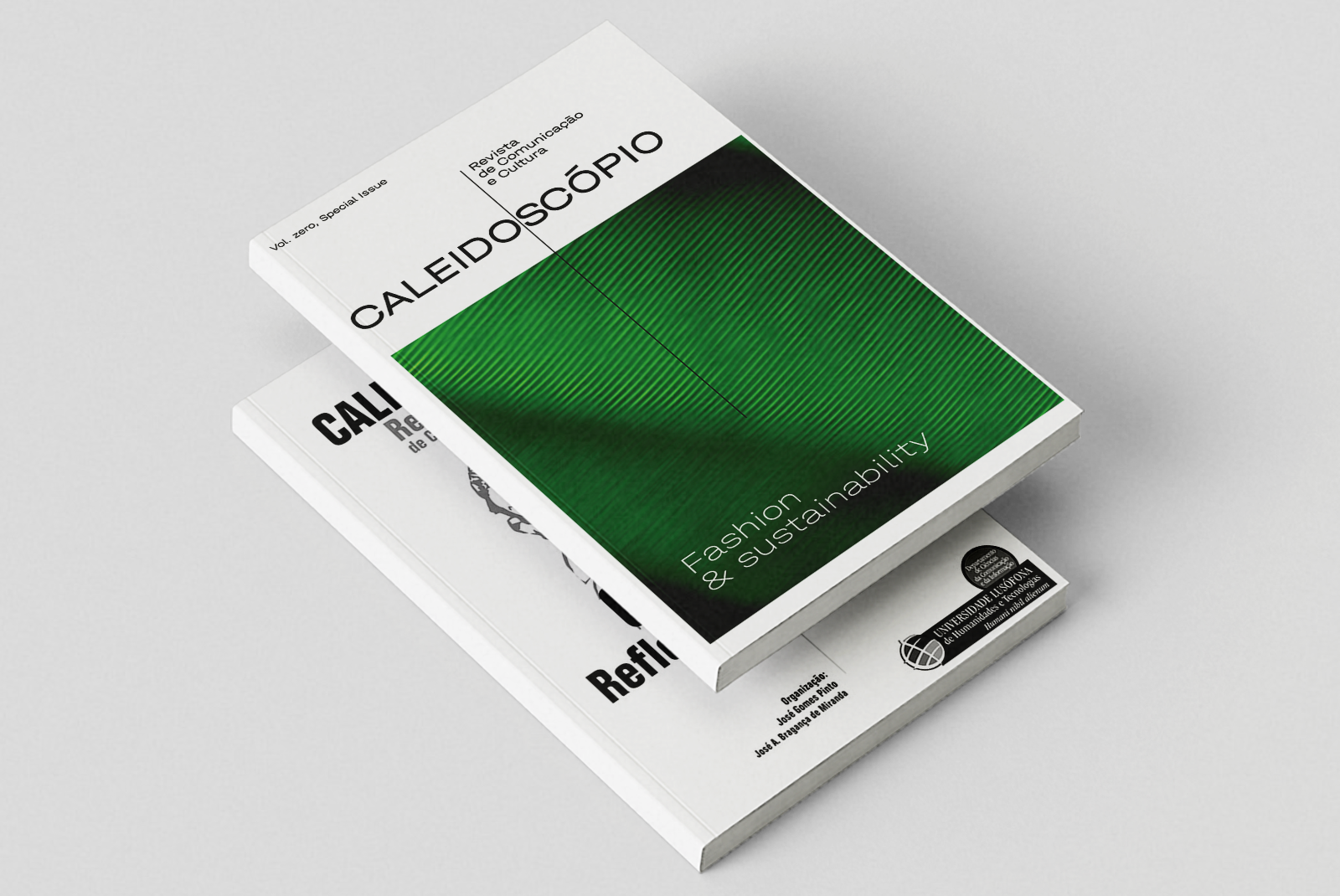
Caleidoscopio: Revista de Comunicação e Cultura
Caleidoscopio, Revista de Comunicação e Cultura do Departamento de Ciências da Comunicação da ECATI, Universidade Lusófona.
-
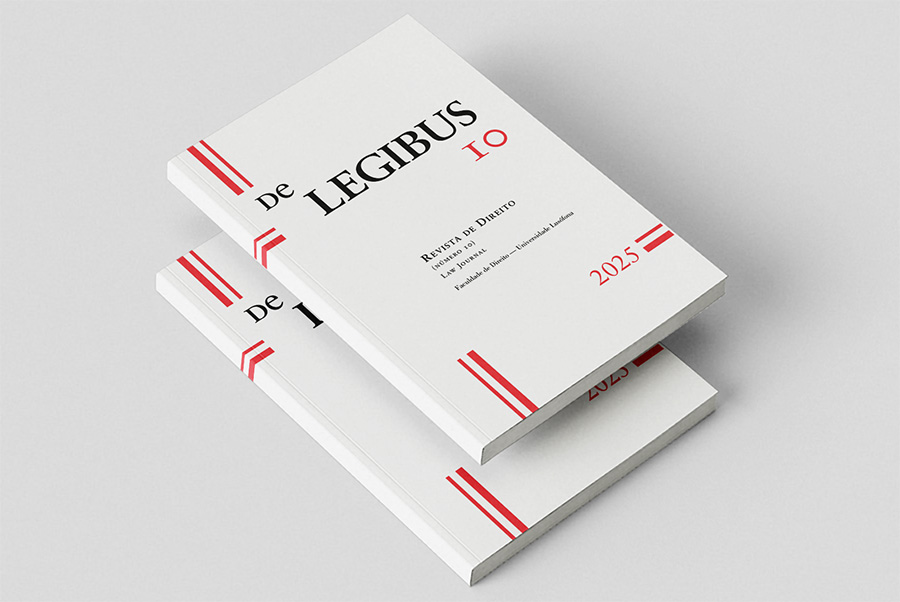
De Legibus - Revista de Direito da Universidade Lusófona Lisboa
A revista De Legibus, da Faculdade de Direito da Universidade Lusófona de Lisboa, é uma publicação periódica semestral, editada, simultaneamente, em formato de papel e em suporte digital.
-

Fluxos & Riscos - Revista de Estudos Sociais
A revista Fluxos & Riscos com arbitragem por pares é órgão de divulgação da investigação de CPES - Centro de Pesquisa e Estudos Sociais - da Universidade Lusófona, Lisboa.
-
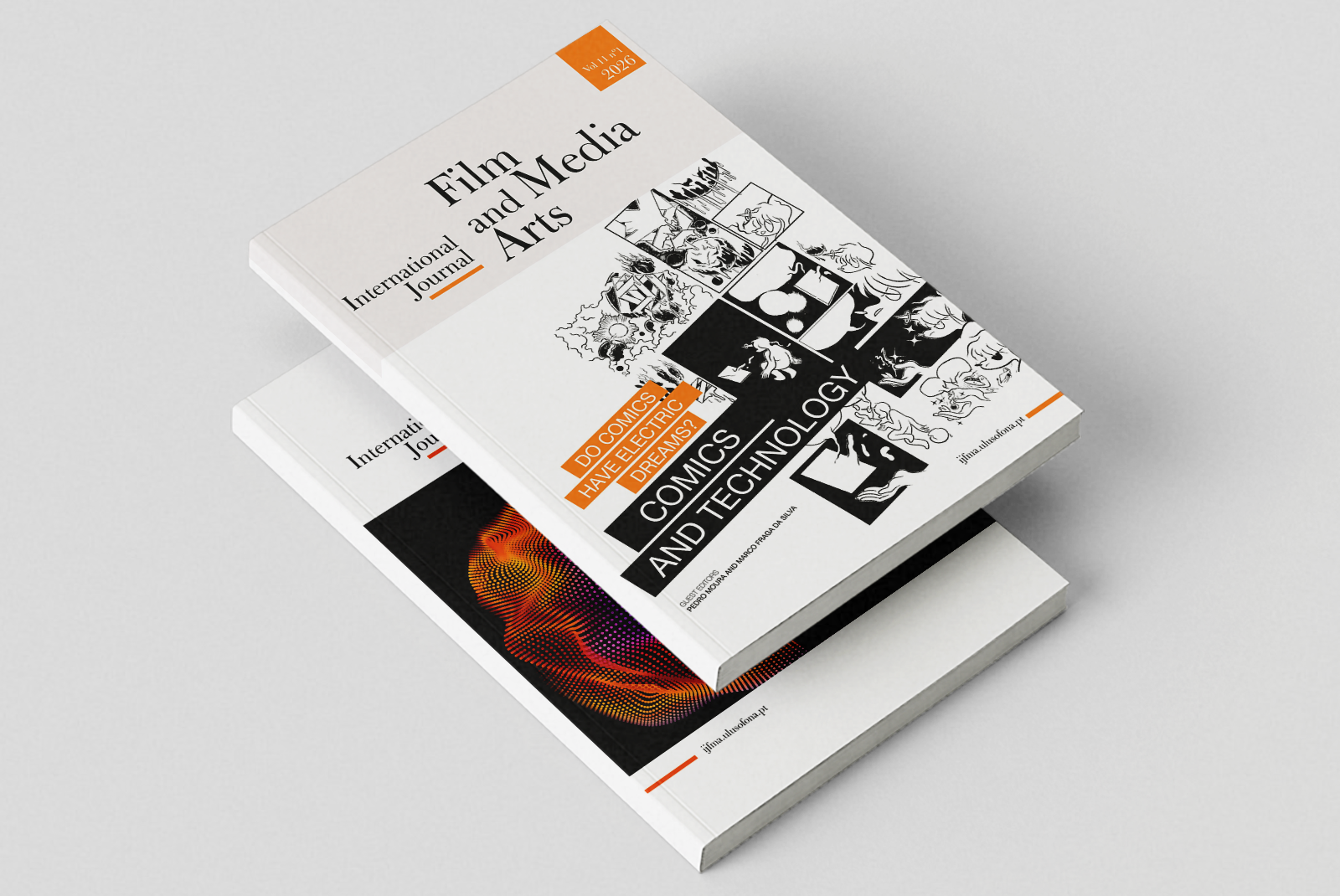
International Journal of Film and Media Arts
The International Journal of Film and Media Arts is a semiannual publication focusing on all areas of film and media arts research and critique.
-
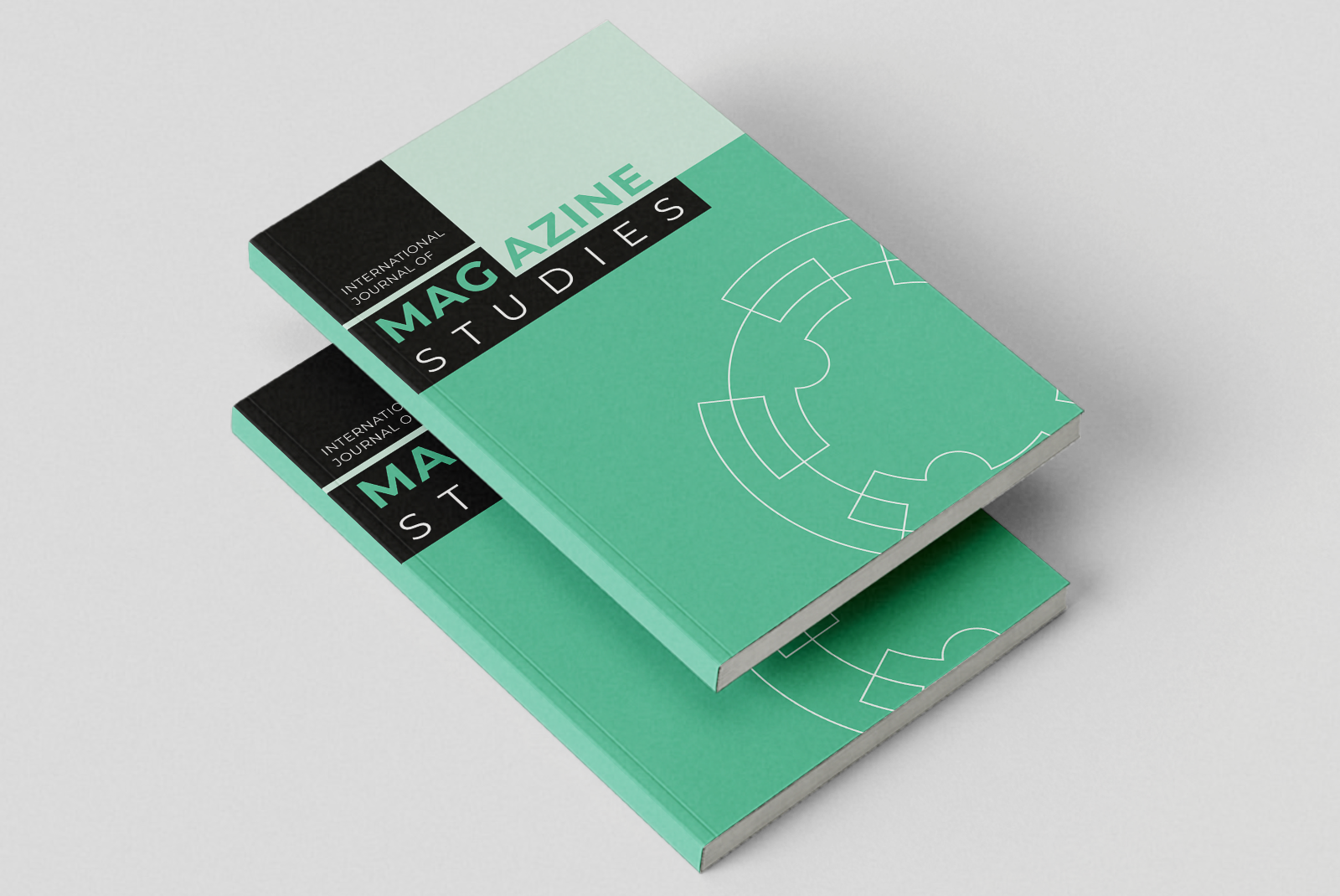
International Journal of Magazine Studies
A revista científica International Journal of Magazine Studies (IJMS) é uma plataforma para o intercâmbio de conhecimento inovador, promovendo uma compreensão profunda da natureza evolutiva e da importância dos formatos de revista na sociedade contemporânea. A IJMS é um periódico de acesso aberto e conta com revisão cega por pares.
-
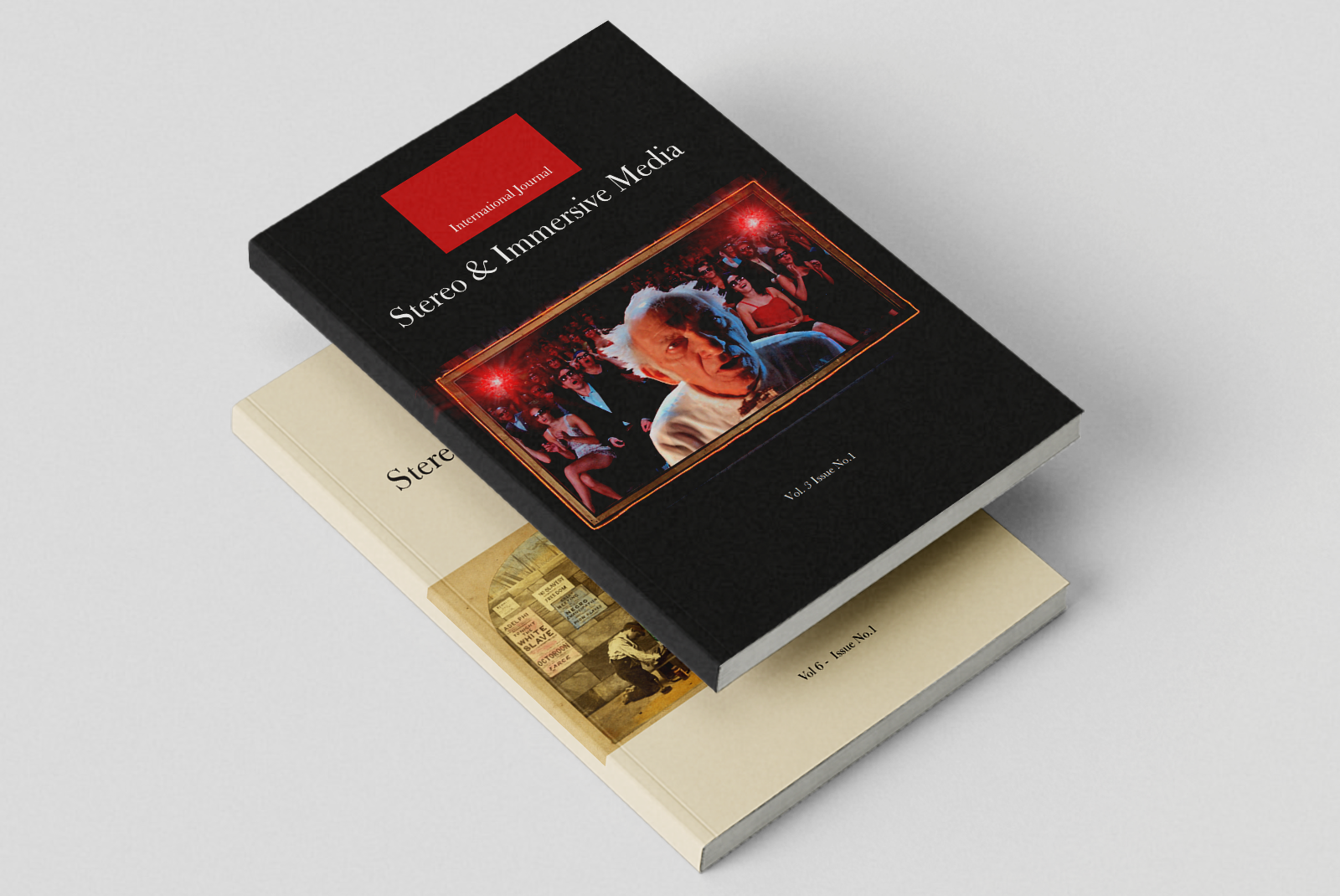
International Journal on Stereo & Immersive Media
The International Journal on Stereo & Immersive Media is a new open access and peer-reviewed journal that aims to reflect on the emergence of our progressively immersive media culture.
-

JURISMAT
A JURISMAT - Revista Jurídica do ISMAT, integra hoje o núcleo científico de publicações do CEAD – Centro de Estudos Avançados em Direito Francisco Suarez, que congrega investigadores dos cursos de Direito do grupo Lusófona.
-

Live Interfaces - a media-rich Journal
Live Interfaces is a peer-reviewed, open-access and media-rich journal. It interrogates the meanings of liveness, immediateness, timing, connection and flow while exploring how technologies and creative processes can convey unique approaches to the physical body and environment.
-
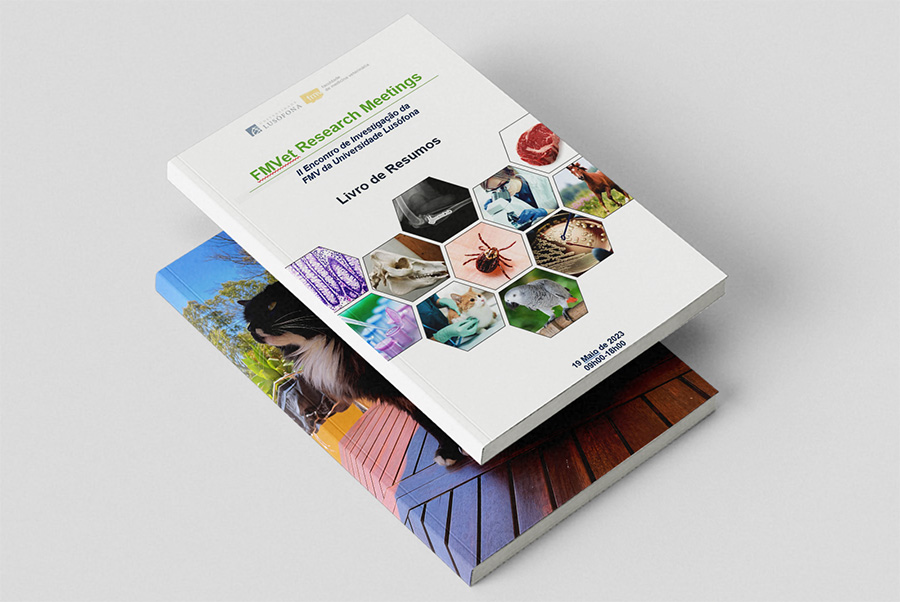
Revista Lusófona de Ciência e Medicina Veterinária
A Revista Lusófona de Ciência e Medicina Veterinária, tem como objectivo principal a publicação e a promoção de actividades e conhecimento relacionados com a Medicina Veterinária.
-
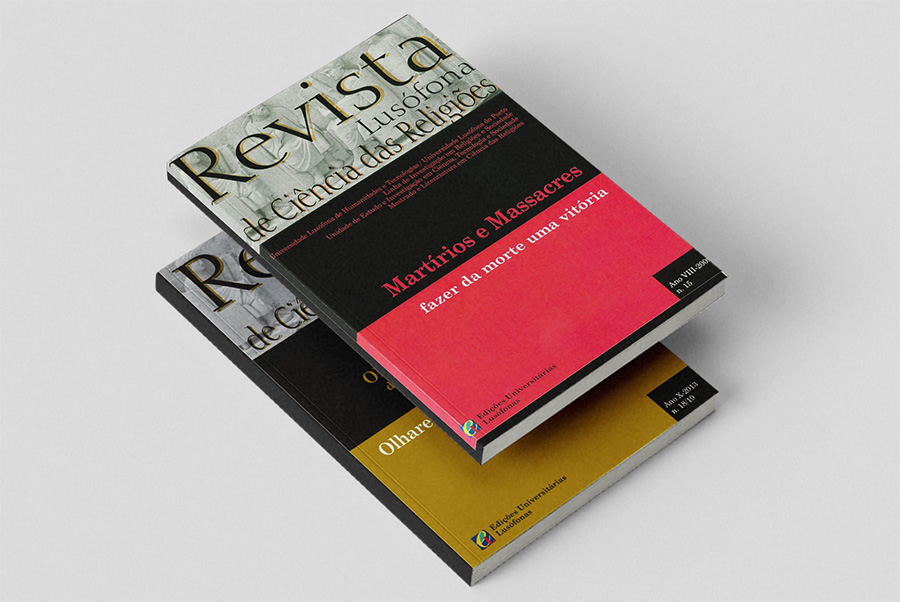
Revista Lusófona de Ciência das Religiões
Publicação científica da área de Ciência das Religiões, espelho da dinâmica de investigação, das parcerias e das prioridades científicas dos estudos pós-graduados e especializados.
-
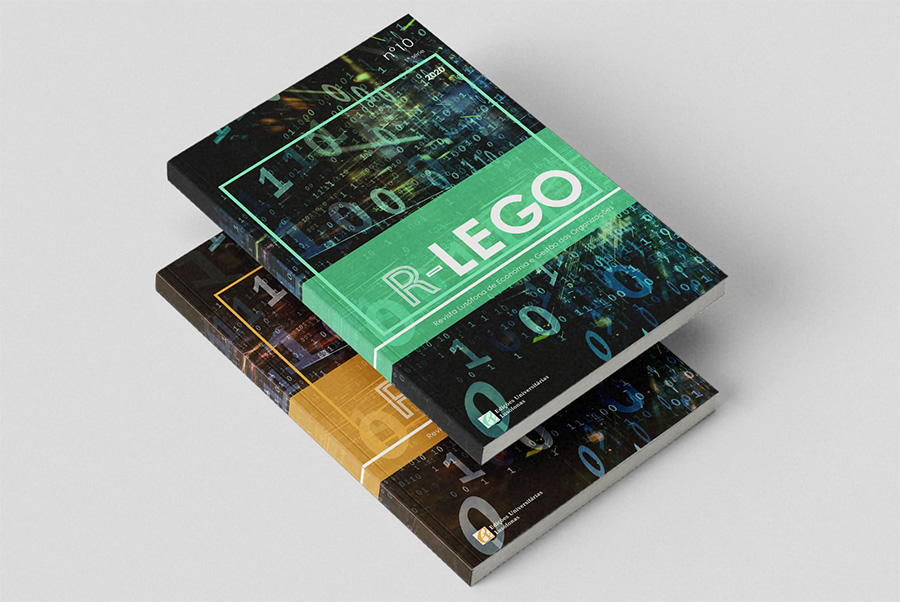
Revista Lusófona de Economia e Gestão das Organizações
A R-LEGO é um projeto editorial do Departamento de Economia e Gestão da Escola de Ciências Económicas e das Organizações, enquadrado no Centro de investigação do Departamento.
-

Revista Lusófona de Educação
Publicação científica trimestral do CeiED - Centro de Estudos Interdisciplinares em Educação e Desenvolvimento - Instituto de Educação - Universidade Lusófona, Lisboa.
-
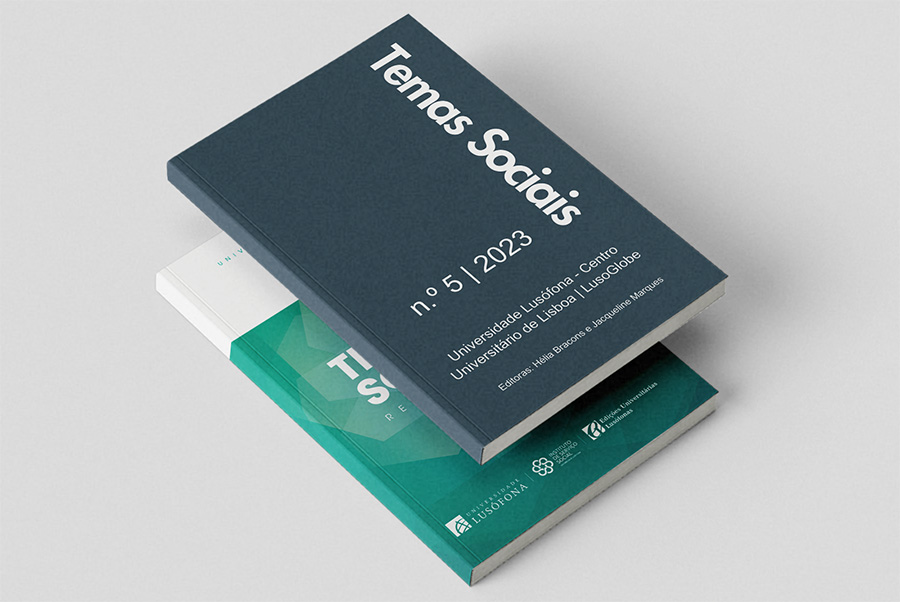
Revista Temas Sociais
A Revista Temas Sociais, da Universidade Lusófona – Centro Universitário de Lisboa e do Centro de Investigação LusoGlobe, constitui-se como um fórum académico para a publicação, disseminação e debate de ideias e resultados de investigação no domínio das ciências sociais e humanas, com especial incidência no serviço social, na política social e na intervenção social.
-
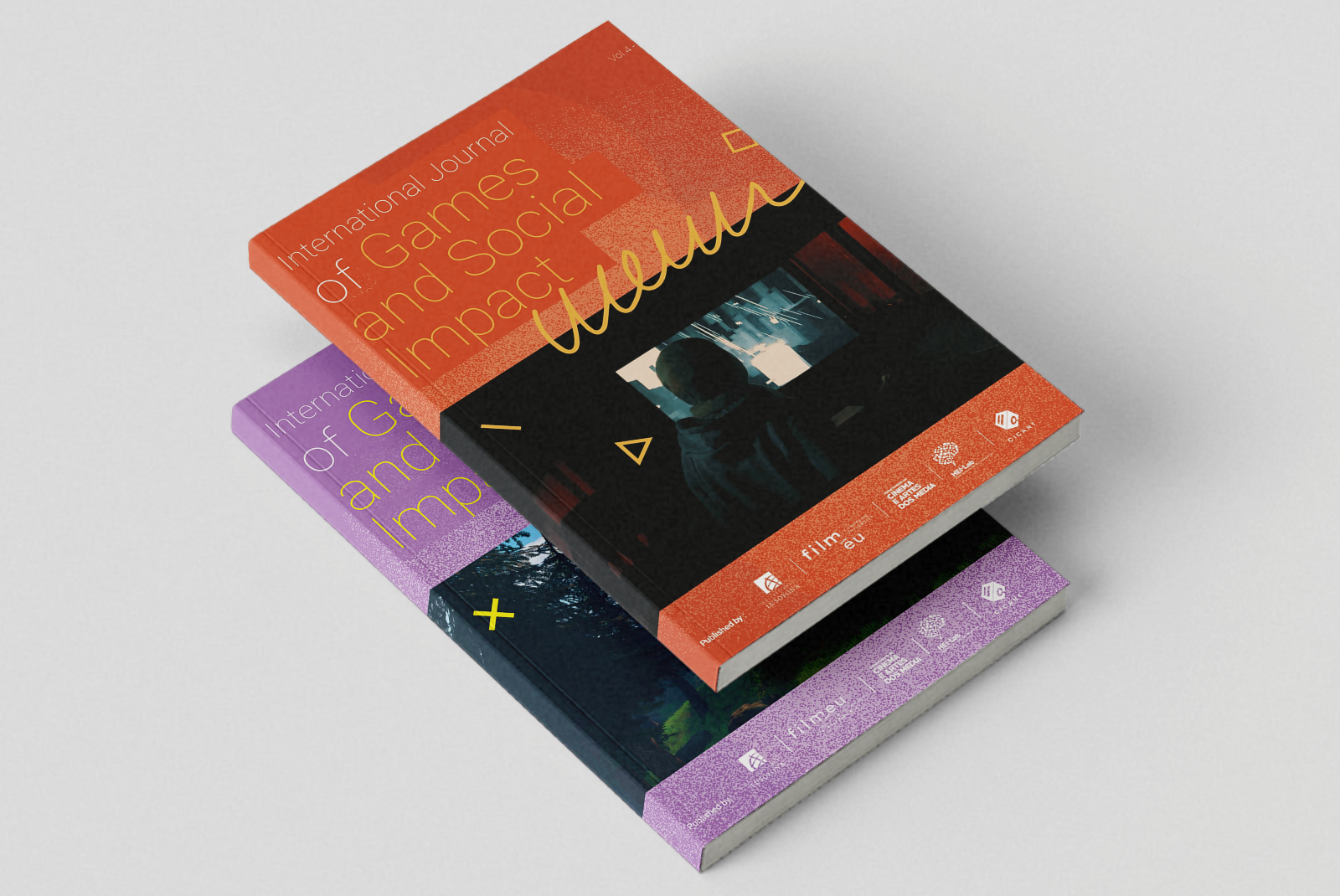
The International Journal of Games and Social Impact
O International Journal of Games and Social Impact (IJGSI) é uma publicação de acesso livre para a investigação e crítica de jogos sobre mudança social, inclusão, educação e direitos humanos.
-
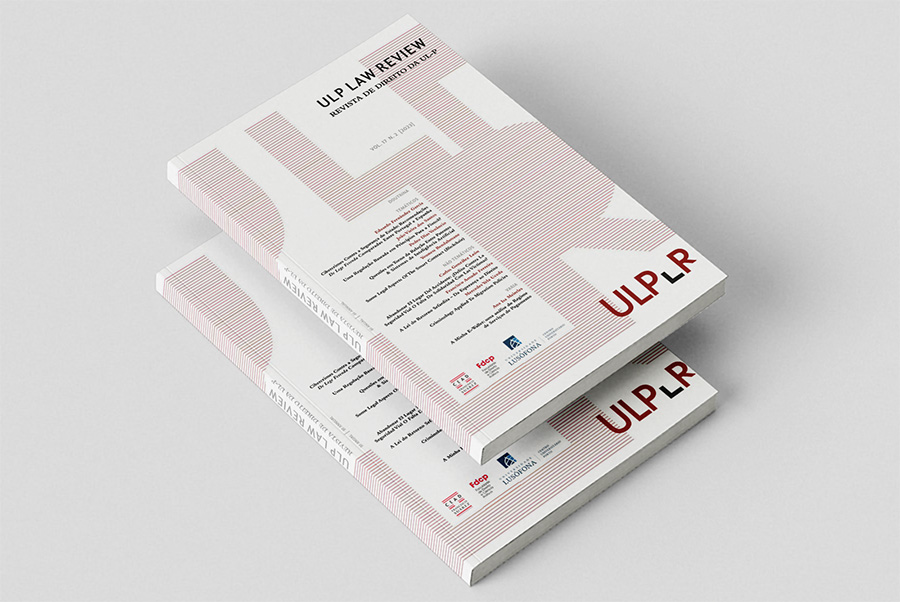
UL-P Law Review - Revista de Direito da UL-P
A Revista de Direito da UL-P / UL-P Law Review (RDUL-P/UL-PLR) é uma revista académica centrada na área jurídica, trilingue, com processo de (dupla) arbitragem científica.